London in September: A First-Timer’s Guide to Avoiding the Crowds
Planning your first visit and wondering whether September is a good time to go? This London in September travel guide explains how to enjoy cooler weather, lighter crowds and easier sightseeing without missing the capital’s essential landmarks.
It is also an excellent month for a guided walking tour, especially if you want local context while seeing Westminster, the South Bank and London’s famous photo spots at a comfortable pace.
Why September Is a Great Month for London
September sits between the busiest summer holiday period and the quieter months of late autumn. The city can still feel lively, but queues and pavements are often more manageable than in July and August.
Daytime temperatures typically feel comfortable for walking, although conditions can change quickly. Pack a light waterproof jacket, comfortable shoes and a compact umbrella rather than relying on a completely dry forecast.
The best balance of weather and crowds
The first half of September may still attract families finishing summer holidays, while the latter half often feels calmer. Weekdays are usually quieter than Saturdays, particularly around major attractions.
For the best combination of mild weather and space, aim for Tuesday to Thursday in the second half of September. Always check opening hours and event calendars before travelling, as exhibitions, football matches and festivals can affect local footfall.
Best Times to Sightsee Without the Summer Rush
Timing makes a noticeable difference in central London. Start early for popular landmarks, then save museums, markets or indoor attractions for the busier middle of the day.
A simple daily strategy
- 8:00–9:30am: Walk around major outdoor sights before the main visitor rush.
- 10:00am–1:00pm: Join a guided tour or visit a pre-booked attraction.
- 1:00–3:00pm: Take a lunch break away from the busiest tourist streets.
- 3:00–6:00pm: Explore a museum, neighbourhood or riverside route.
- After 6:00pm: Enjoy landmarks in softer light, when many day visitors have left.
Westminster, Buckingham Palace and the London Eye are especially pleasant early in the morning. If you want photographs without dense crowds, arrive before 9:00am or return after the late-afternoon rush.
Best time to visit specific landmarks
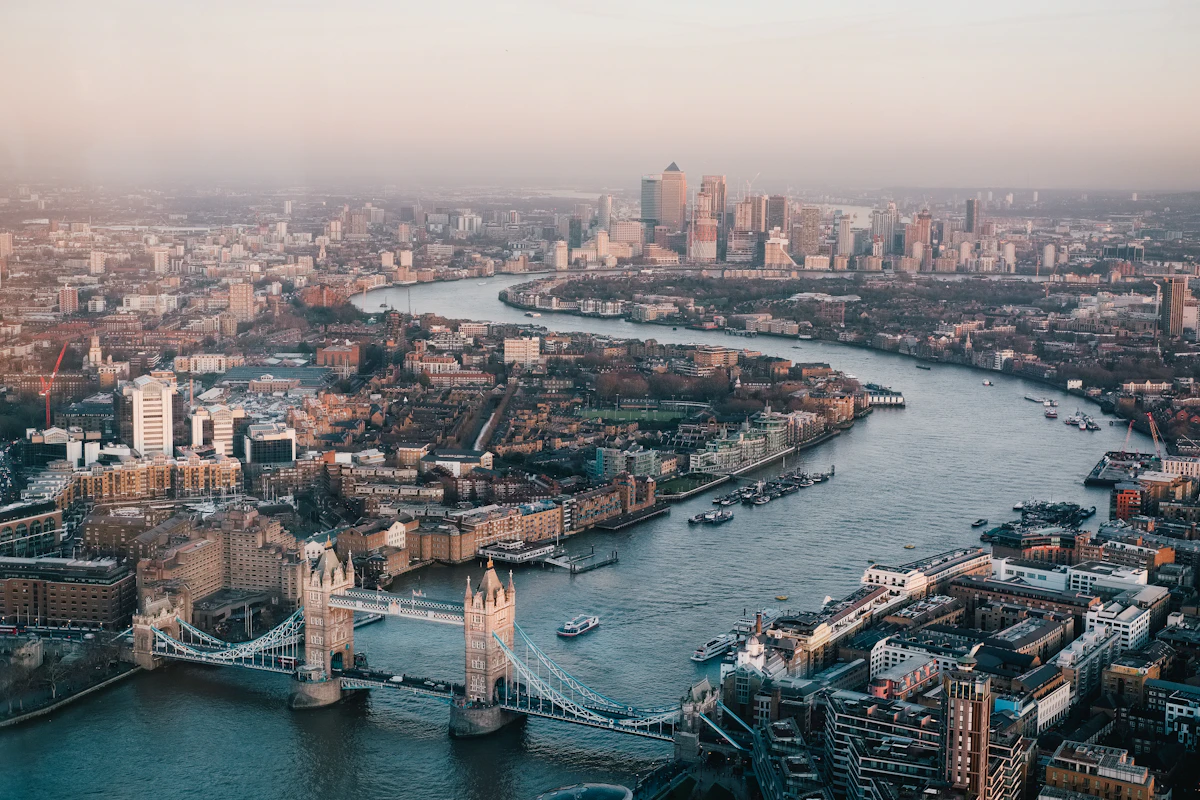
Buckingham Palace is best seen early, before organised groups gather. Around the Tower of London, weekday mornings usually offer a more relaxed start, while the South Bank is often at its busiest from lunchtime through early evening.
St Paul’s Cathedral and the British Museum can provide useful shelter if rain arrives. Check their official websites for admission arrangements, timed entry and current opening hours.
Plan a Walking Tour Around London’s Landmarks
Walking is one of the most efficient ways to understand central London. Several headline sights are closer together than first-time visitors expect, and a guide can help you avoid inefficient routes while adding historical detail.
Why a guided tour helps in September
A guided walk lets you see more in a few hours without constantly checking a map. It can also help you identify quieter streets, good viewpoints and the best times to return for photographs.
A three-hour tour is long enough to cover several landmarks but short enough to leave room for a museum, meal or independent exploring afterwards. Wear supportive footwear and bring water, especially if the route includes bridges, stairs or uneven pavements.
What to book in advance
Reserve popular tours before arrival if your dates are fixed. September is less crowded than peak summer, but good morning slots can still sell out, particularly on weekends and around school holidays.
For flexible planning, choose a tour early in your visit. You will get a useful orientation of the city and can revisit the places that interest you most later in the trip.
Getting Around London Efficiently
London’s public transport network makes it easy to combine walking routes with longer journeys. The Underground is usually the fastest option across central London, while buses offer better views and can be more convenient for shorter distances.
Oyster, contactless and fares
Visitors can generally use a contactless bank card or mobile wallet on the Underground, buses and most other Transport for London services. An Oyster card is another option if you prefer a separate travel card.
Fares depend on the zones and time of travel, with peak periods generally costing more. Check the current fare caps and service updates on the Transport for London website before setting out, as prices and engineering works can change.
Walking between nearby sights
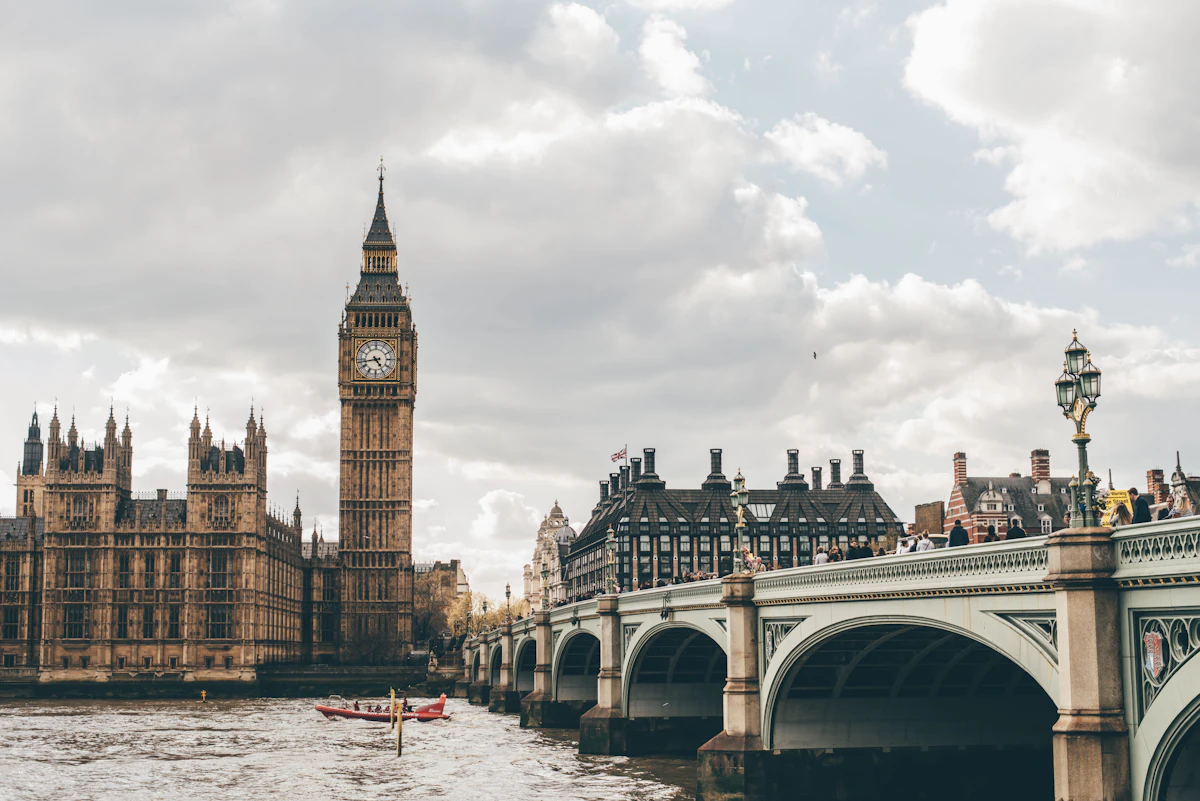
Walking often saves time in central areas. For example, Westminster Abbey, the Houses of Parliament and the London Eye can be combined with a riverside walk, while St James’s Park connects naturally with Buckingham Palace and Trafalgar Square.
Allow extra time for crossings, photographs and busy pavements. London distances can look short on a map but take longer when you stop frequently or navigate crowded junctions.
Budget Tips for a September Visit
London can be expensive, but September offers several ways to control costs. Book accommodation and major paid attractions early, then balance them with free museums, parks and self-guided walks.
Practical price planning
- A guided three-hour walking tour may start at around £35 per person, depending on the experience.
- A photo-focused tour may start at around £45 per person.
- Public transport costs vary by zones, time and daily usage, so check current Transport for London fares before travelling.
- Many major museums, including the British Museum and National Gallery, offer free general admission, although special exhibitions may charge an entry fee.
Prices can change, so treat these figures as planning guidance and confirm the current amount on the relevant booking page. Food costs also vary widely: cafés and market stalls can be more economical than restaurants around the main attractions.
Local Etiquette and Safety Tips
London is generally straightforward for first-time visitors, but small habits make getting around smoother. Stand on the right side of escalators, let passengers leave trains before boarding and avoid stopping in the middle of pavements.
Keep valuables secure in busy stations, on crowded Underground trains and around major attractions. Use licensed taxis or reputable ride-hailing services, and take care when crossing roads: traffic drives on the left, and bicycles and buses may approach quietly.
Rain, events and changing plans
September weather can shift from sunshine to showers within an hour. Carry a waterproof layer and keep one indoor activity available each day.
Check for demonstrations, concerts, sporting fixtures and planned transport closures before travelling across the city. If a station is closed, nearby stations and bus routes can often provide a simple alternative.
Recommended PikaTour Experiences
For a first introduction to the capital, the London Highlights Walking Tour lasts three hours and starts from £35. It is a practical choice for seeing major sights with a guide while avoiding the uncertainty of planning every turn yourself.
If photography is a priority, consider the London Photo Spots Tour. This three-hour experience starts from £45 and suits visitors who want help finding memorable angles and attractive city views.
You can browse more London tours to compare experiences and choose a convenient date. If you are planning a wider trip, PikaTour also offers Istanbul tours and Bangkok tours.
FAQ
Is September a good time to visit London?
Yes. September often brings cooler walking weather and fewer visitors than the peak summer months. The second half of the month and weekdays are usually the best choices for a calmer experience.
What should I pack for London in September?
Bring comfortable walking shoes, a light waterproof jacket, layers and a compact umbrella. Even on warm days, evenings can feel cool, and showers may arrive unexpectedly.
What time should I start sightseeing?
Aim to begin outdoor sightseeing between 8:00 and 9:00am. Early starts are particularly useful at Buckingham Palace, Westminster and other landmarks that become busier later in the morning.
Is a guided walking tour worth booking?
For a first visit, it can be. A guide helps you cover several landmarks efficiently, understand their history and find routes or viewpoints you might otherwise miss.
How should I get around London?
Use contactless payment, an Oyster card or mobile wallet on public transport, and combine the Underground with walking. Check Transport for London updates before travelling, especially at weekends.
September gives first-time visitors a strong balance of comfortable temperatures, manageable crowds and plenty of daylight for exploring. Browse PikaTour’s London experiences and book a guided walk to make your first days in the capital easier, more informative and more enjoyable.